A Room-by-Room Guide to Reducing Household Energy Waste
Learn how to spot avoidable energy use in each part of the home, then choose practical changes that fit your routines, equipment and comfort needs.
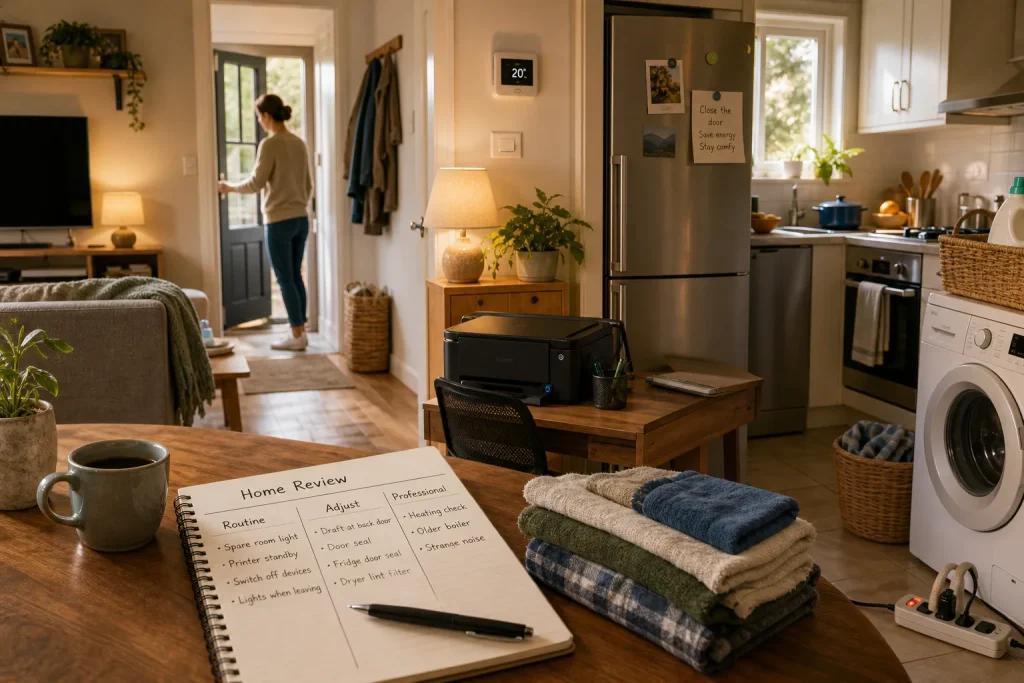
Household energy waste is often less about one dramatic problem than a collection of small mismatches: a light left on in an empty room, a draft near a frequently used doorway, or equipment running when nobody needs it. A room-by-room review makes these patterns easier to notice and helps turn broad intentions into manageable decisions.
Start by observing how each space is used, rather than assuming every room needs the same fix. Some changes are simple habits; others depend on the condition of a window, appliance or heating system. Work through the rooms in a practical order, record what you notice, and choose actions that preserve comfort and safety.
Begin With the Rooms You Use Most
Walk through the home during an ordinary day and note where lights, screens, fans and other equipment are operating without a clear purpose. Pay attention to rooms that are often empty but remain illuminated, and to devices that stay active after use. A brief written note can help distinguish a recurring pattern from a one-off oversight.
Next, consider what each space needs. A hallway may need short bursts of light, while a work area needs reliable task lighting. If a room is used unpredictably, a consistent shut-off habit may be more useful than buying new equipment. Choose one easy change first, then observe whether it fits the household routine before adding another.
Check the Kitchen and Laundry Area
In the kitchen, look at how cooking, refrigeration and cleanup fit together. Avoid leaving the refrigerator door open while deciding what to take out, and check that its seal closes cleanly. Use lids when they suit the dish and cooking method, and switch off an oven or hob when the task is finished. Follow the appliance manual for cleaning and maintenance rather than improvising around electrical or gas components.
For laundry, consider whether a load is ready before starting the machine and whether the chosen cycle matches the items being washed. Clean accessible lint filters as directed, and avoid running a dryer when air-drying is practical and the space allows it. These choices depend on fabric, weather, ventilation and household needs; convenience and safe operation matter alongside avoiding unnecessary use.
Make Living Areas Easier to Switch Off
Living rooms commonly gather televisions, speakers, chargers, lamps and game equipment. Identify which items need to remain active, such as a device recording a program or supporting a household member, and which can be switched off after use. A clearly placed power strip may simplify shutdown for compatible devices, but check instructions first and do not overload outlets or connect equipment in ways its manufacturer advises against.
Lighting deserves a similar look. Use the light needed for the activity, and make switches easy to reach so turning lights off becomes part of leaving the room. If a bulb needs replacing, choose a compatible option and follow the fixture’s requirements. Avoid changing lighting in a way that makes stairs, entrances or other frequently used areas difficult to see.
Look for Drafts and Heating Habits
In bedrooms and shared spaces, notice whether doors or windows allow an uncomfortable draft, and whether curtains or furniture obstruct a heating vent or radiator. Keep air pathways clear. For small gaps, suitable weatherstripping or a draft stopper may help, provided it does not interfere with ventilation, drainage or safe operation of doors and windows.
Review heating and cooling settings in light of the household’s comfort and schedule. A modest adjustment when everyone is away or asleep may be appropriate, but needs differ, especially for infants, older adults and people with health conditions. Follow the system’s instructions, and consult a qualified heating professional about persistent problems, unusual noises or work involving fuel-burning equipment.
Reduce Idle Use in Work and Utility Spaces
Home offices, garages and utility rooms can conceal equipment that runs unnoticed. Check computers, monitors, printers, chargers, dehumidifiers and workshop tools for standby modes or timers, using each manual to understand the options. Turn off equipment when it is not needed, while keeping essential networking, security or accessibility devices operating as required.
Also inspect the practical conditions around appliances. Keep vents unobstructed and accessible filters clean when the manufacturer recommends it. If a unit behaves strangely, has a damaged cord or becomes unusually hot, stop using it and seek qualified help rather than opening the casing. A room-by-room review should identify sensible maintenance, not encourage risky repairs.
Turn Observations Into a Manageable Plan
Sort your notes into three groups: changes you can make through routine, minor adjustments that need a suitable product, and issues that call for professional advice. Choose actions based on frequency, ease and importance to comfort. This keeps the plan grounded in your home instead of chasing a dramatic transformation or assuming that every possible change is worthwhile.
Hypothetical worked example with invented observations: Imagine a household noting, over three ordinary evenings, that a spare-room light remains on after the room is empty, a draft is noticeable at the back door, and a printer stays in standby when no one is using it. The household writes those three observations down, then adds a reminder beside the spare-room switch, checks the door seal and latch for compatibility before fitting a suitable seal, and consults the printer manual before using its shutdown setting. On later evenings, it records whether the light is still on after the room is vacated, whether the door closes and latches normally and the draft remains noticeable, and whether the printer is still in standby when it is not needed. If the light is off and the printer is shut down while the door remains easy to use, the household keeps those changes; if the reminder is missed, it moves the reminder to a more visible spot, and if the seal interferes with the latch or does not address the draft, it removes the seal and seeks suitable advice. These observations show whether the changes fit the routine, not a quantified energy reduction.
For other rooms, use the same practical decision pattern: check what is operating, whether it serves a current need, and whether a safe, compatible change is available. If the answer is unclear, consult the equipment instructions or a qualified professional rather than improvising. Keeping notes about both the action and what is visibly different makes it easier to decide whether to keep, revise or stop a change.
Conclusion: Keep the Review Practical
Reducing household energy waste begins with noticing where energy is being used without serving a current need. Kitchens, living areas, bedrooms, workspaces and utility rooms each call for different decisions. A habit change may be enough in one place, while another issue requires maintenance or professional attention.
Revisit your notes after the household has lived with a change for a while. Keep what is convenient and safe, revise what disrupts daily life, and move on to the next clear opportunity. A measured, room-by-room approach makes sustainability part of ordinary home care without relying on unsupported savings claims.